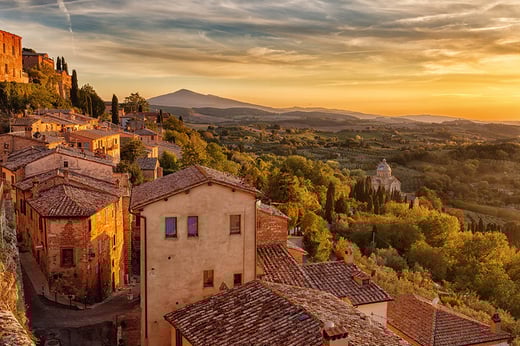
Tuscany has long held a particular appeal for British people considering a life abroad with rolling countryside, historic towns, food and culture often forming the starting point.
Moving to Tuscany incorporates a combination of lifestyle, legal, financial and practical considerations and the order in which those decisions are made can have a significant impact on how straightforward or stressful the process becomes.
This article looks at what UK citizens should understand before moving to Tuscany, including how property and financial decisions fit into the plans.
Disclaimer
This article is for general informational purposes only and does not constitute legal, tax or financial advice. Rules around residency, tax and property ownership can change and will depend on your personal circumstances. You should seek professional advice before making any decisions.
Why Tuscany attracts UK citizens
Tuscany is one of the most established regions in Italy for international buyers and demand has been consistent for decades, particularly in areas such as Chianti, Siena and Florence.
The appeal of Tuscany is usually a combination of lifestyle and practicality rather than any single factor. The pace of life can feel noticeably different to many parts of the UK, particularly outside the main cities, with a greater emphasis on time outdoors and local routines. The attractive climate supports this lifestyle for much of the year.
There is also a strong regional identity and is a place where food, wine and local traditions are not just part of the visitor experience, but form part of everyday life.
Tuscany also remains relatively accessible from the UK, with flights into Florence, Pisa and nearby regions making regular travel possible.
Property also plays a role in that appeal, with a wide range of options available, from apartments in historic towns to rural houses and renovation projects.
For some, the intention is a permanent move from the outset but for others the attraction begins with a Tuscan holiday home, which over time becomes a more regular or longer-term base.
The difference between visiting and living in Tuscany
One of the most common challenges, as with any desirable locations, is the gap between visiting for a holiday and living full time.
Short visits tend to focus on the scenery, the food and the historic towns, which shape the initial impression and often drive the decision to explore further.
Living in Tuscany, however, introduces a different set of considerations that are less visible during a short stay such as:
- Transport: Many rural areas require a car, and public transport can be limited
- Seasonality: Some towns are significantly quieter outside peak periods
- Administration: Everyday tasks can take longer and require more in-person interaction
- Language: English is not always widely spoken, particularly outside major centres
- Access to services: Healthcare, banking and utilities may operate differently from the UK
These factors do not make Tuscany less attractive, but they do change how decisions should be made for living full time.
The best places to live in Tuscany
Tuscany is often talked about as if it were a single, uniform region, but in practice it offers a wide range of living environments. The experience of owning property or relocating can differ significantly depending on where you choose, even within relatively short distances.
The decision is usually less about finding the “best” location and more about identifying which area aligns with how you intend to live and use the property. Below is a selection of the best and most common places British citizens should consider when moving to Tuscany.
Florence
Florence is the administrative and cultural centre of Tuscany and tends to appeal to those who want a more structured, city-based lifestyle. It offers the widest range of services, international connections and year-round activity.
It is also one of the easier places to manage without strong Italian language skills, particularly when dealing with professionals, property transactions and administrative processes. This can make it a more straightforward starting point for those planning a full-time move.
Property here is typically more expensive, and availability can be limited, particularly in central areas. For those planning to live full-time, Florence can provide a more familiar level of infrastructure, but it comes with the pace and cost of a major city.
Siena
Siena offers a different balance, combining historic character with a smaller scale. It is often seen as more manageable than Florence while still providing a strong sense of place and established community.
English is spoken in some professional contexts, but day-to-day interactions are more likely to take place in Italian. For overseas buyers, this can feel more immersive, but it may also require a greater level of adjustment, particularly outside central areas.
As with many parts of Tuscany, options can be limited and demand remains consistent, particularly for well-located properties.
Pisa and Lucca
Pisa and Lucca are often grouped together by overseas buyers due to their proximity and accessibility, but they offer slightly different experiences.
Pisa benefits from its international airport, making it one of the most convenient entry points into the region. This accessibility also means it can be easier to manage practical arrangements, with a higher likelihood of English being spoken in certain settings.
Lucca, by contrast, is known for its enclosed historic centre and more traditional character. While still relatively accessible, it tends to feel less international in day-to-day life. This can be part of the appeal, but it also means that some level of Italian is more likely to be needed over time.
Chianti and rural areas
The Chianti region and surrounding countryside are often what people picture when they think of Tuscany. Rolling hills, vineyards and more isolated properties create a very different living experience.
These areas can appeal strongly to buyers looking for space, privacy and a more rural lifestyle. However, they also require a greater level of planning. Day-to-day life is more dependent on driving, access to services can be limited while English is less commonly used outside specific professional interactions or tourism.
For those not confident in Italian, this can make even routine tasks more time-consuming, particularly when managing a property or coordinating local services.
Coastal Tuscany
Areas along the Tuscan coast offer a different lifestyle again, with proximity to the sea and a stronger seasonal dynamic. These locations can be particularly appealing for second homes or those planning to split time between countries.
During peak seasons, there is often more international presence, which can make communication easier. Outside these periods, however, the pace slows significantly and day-to-day life tends to revert to Italian as the primary language.
As with other areas, the balance between seasonal use and long-term living needs to be considered carefully.
Bringing location choice back to your plans
While each of these areas has its own appeal, the key decision is not which is “best”, but which aligns with your priorities.
In practice, this usually comes down to:
- How often you plan to be in Italy
- Whether your move is for full-time living, holidays or a mix
- Your need for access to airports, healthcare and services
- How comfortable you are managing day-to-day life in Italian, particularly outside major cities
Location decisions are often where initial expectations begin to change. What feels ideal during early research may need to be adjusted once practical considerations are taken into account.
Cost of living in Tuscany
The cost of living in Tuscany varies significantly depending on where and how you choose to live. It is often perceived as more affordable than the UK, particularly when compared to London and the South-East, but this depends on the type of property, location and lifestyle.
For those moving from the UK, some costs may feel lower, while others are less predictable or structured differently.
Property and housing costs
Property prices in Tuscany range widely. Apartments in smaller towns can be relatively affordable, while properties in well-known areas such as Florence, Siena or Chianti command higher prices.
Beyond the purchase price, ongoing costs should also be considered, including:
- Property taxes and local charges
- Maintenance, particularly for older or rural properties
- Utilities, which can vary depending on the type and condition of the building
Rural properties, especially those requiring renovation, can appear good value at the outset but often involve higher ongoing costs and more active management.
Day-to-day living
Everyday expenses such as food, eating out and local services can be lower than in many parts of the UK, particularly if you are buying locally and adapting to seasonal availability.
However, this is not uniform. Costs can increase in:
- Tourist-heavy areas
- Peak seasons
- Locations with higher international demand
- Imported and out of season food
For those maintaining ties to the UK, regular travel costs should also be factored in.
Utilities and running costs
Utilities in Italy can differ from the UK in both cost and structure. Energy costs can fluctuate and may be higher than expected, especially in properties that are older or less energy efficient.
Other ongoing costs may include:
- Waste collection charges
- Water and local service fees
- Internet and communication services, which can vary by location
These costs are often less standardised than in the UK and may require more active management.
Healthcare and insurance
Access to healthcare depends on residency status. Those who are not fully integrated into the Italian system may need to rely on private healthcare, particularly in the early stages.
This can introduce additional costs that are not always considered when comparing living expenses with the UK.
Currency and income considerations
For UK residents, the cost of living in Tuscany is also affected by exchange rates. If your income, pension or savings are in pounds, fluctuations between GBP and EUR can have a direct impact on affordability over time.
This is particularly relevant for:
- Ongoing living costs
- Property purchases
- Regular transfers between countries
Bringing cost of living into your planning
While Tuscany can offer a lower cost of living in some areas, it is not universally cheaper. The overall cost depends on how your lifestyle translates into a different environment.
In practice, this means:
- Looking beyond headline property prices
- Understanding ongoing costs in the specific location you are considering
- Factoring in healthcare, travel and currency movements
- Aligning your budget with how you intend to use the property
Cost is often one of the factors that shifts expectations as plans become more defined. Taking the time to understand it properly at an early stage can help avoid pressure later in the process.
Property and real estate in Tuscany
What often becomes clear quite quickly is that “property in Tuscany” covers a wide range of options, each with very different implications in practice. The type of property you choose will influence not just cost, but how you use it, how easy it is to manage and how well it fits your longer-term plans.
Apartments in cities and towns
In cities such as Florence, Pisa and Siena, apartments are the most common option. These range from smaller units in historic buildings to more modern properties on the outskirts.
They are often the most straightforward to manage, particularly for those planning regular travel between the UK and Italy or looking for a lower-maintenance base. Access to services, transport and professional support tends to be easier, and day-to-day living is generally more structured.
However, space can be limited and prices, particularly in central areas, can be higher than expected.
Townhouses and village properties
Outside the main cities, townhouses and village properties are widely available. These often sit within established communities and can offer more space and character than city apartments.
They may appeal to those looking for a balance between accessibility and a more local, less transient environment. In many cases, shops, services and social activity are within walking distance, depending on the size of the town.
While generally easier to manage than rural properties, they can still involve shared buildings, older structures and varying levels of upkeep.
Rural houses and farmhouses
The rural Tuscan property is what many people initially picture. Farmhouses, converted barns and properties with land are common in areas such as Chianti and the surrounding countryside.
These properties offer space, privacy and a more traditional setting, but they also come with greater responsibility. Access is often more limited, a car is essential and managing the property, particularly from abroad, requires more planning.
They tend to suit those who are comfortable with a more hands-on approach or who intend to spend extended periods in Italy.
Renovation projects in Tuscany
Renovation projects attract a lot of attention, particularly where properties appear relatively affordable compared to finished homes.
While opportunities do exist, especially outside prime locations, they are often more complex than expected. The scope of work, timelines and costs can vary significantly, and local regulations and processes may differ from what UK buyers are used to.
For some, renovation can be a way to create a property that fits their needs more closely. For others, it introduces additional layers of complexity that need to be carefully considered from the outset.
Finding a property in Tuscany
Once your plans are more clearly defined, the next step is usually to begin a structured property search. While it is easy to start with online listings, finding the right property in Tuscany often involves more than browsing portals.
Listings can provide a useful starting point, but they rarely reflect the full context around pricing, condition, location nuances or how a property fits with your longer-term plans. As your search becomes more focused, the process typically involves a combination of local knowledge, professional input and a clearer understanding of what you are trying to achieve.
We have covered this in more detail in our guide to finding property in Italy, including how to approach your search, what to expect and how to avoid common pitfalls.
The role of local expertise when moving to Tuscany
Online research can take you a long way, but it rarely provides a complete picture.
Local specialists can help with:
- Identifying suitable locations based on your priorities
- Interpreting the realities behind property listings
- Coordinating the different stages of the purchase process
- Connecting legal, financial and practical considerations
This is particularly relevant in Tuscany, where the differences between one area and another can be more significant than they first appear, and where overseas buyers do not always arrive with expectations that match local practice. Even when a property search seems straightforward, the reality is often that multiple parties are involved and progress depends on good coordination.
Working with someone on the ground does not remove complexity altogether, but it can make the process more manageable. Having local oversight and a clearer structure to decisions can help reduce uncertainty, avoid unnecessary delays and make what can otherwise feel like a fragmented process more straightforward to navigate.
Speak to a specialist
If you are considering moving to Tuscany or buying property in the region, we can introduce you to a specialist who works with overseas buyers and understands the full process from search through to completion.
This is not a property listing service. The aim is to connect you with someone who can help you navigate the practical, legal and financial aspects of your move and ensure your plans are structured appropriately from the outset.
Related reading